
Egg retrieval or puncture is one of the most important steps in in-vitro fertilization (IVF) treatment. This procedure is performed when natural fertilization cannot occur inside the uterus due to various reasons such as blocked fallopian tubes, pelvic adhesions, or low sperm count.
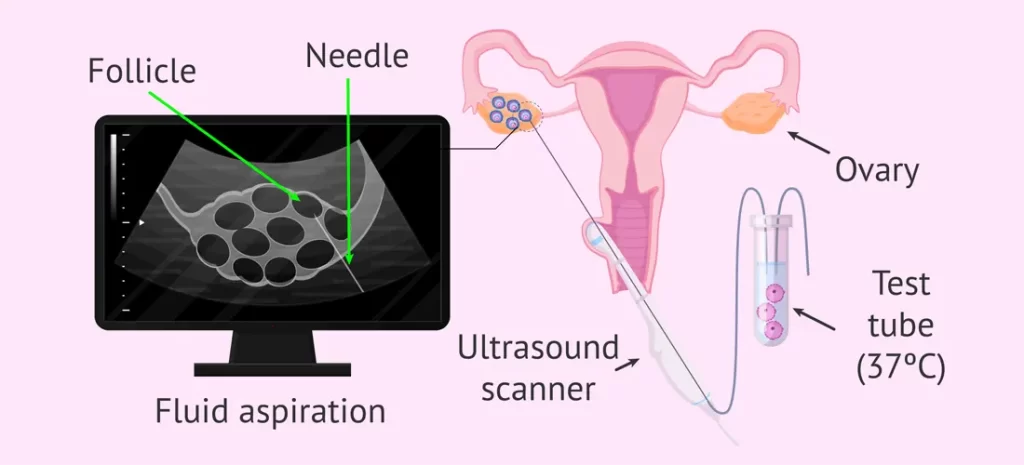
During egg retrieval or puncture, mature eggs are collected from the ovaries after the woman undergoes ovarian stimulation with hormonal medications. Approximately 34–36 hours after the final hCG injection, the eggs are removed using a thin needle guided by ultrasound through the vaginal wall. The procedure usually takes about 20–30 minutes under mild anesthesia, so the patient does not feel pain.
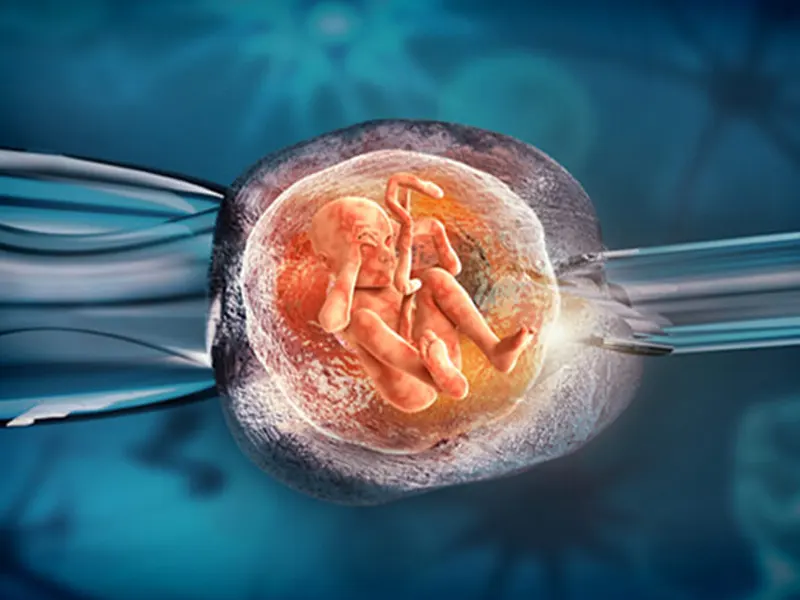
Once collected, the eggs are evaluated in the laboratory and fertilized with sperm. The resulting embryos are cultured for several days, and the healthiest ones are selected for transfer into the uterus to achieve a successful pregnancy.
Egg retrieval or puncture is a safe and minimally invasive procedure, but some temporary side effects may occur, such as:
Most of these symptoms are mild and disappear within a few days. However, if a patient experiences fever, severe pain, or heavy bleeding, it is important to contact the doctor immediately.
Proper care after the procedure helps reduce side effects and supports treatment success:
Egg retrieval or puncture is a critical step in IVF treatment, allowing mature eggs to be collected and fertilized in the laboratory. Although it may cause mild side effects, it is generally safe and effective. With proper care and medical follow-up, this procedure significantly improves the chances of achieving a healthy pregnancy.
Saturday to Wednesday: morning and afternoon
Thursday: Morning