
In recent years, with the advancement of technology and the increasing presence of women in academic and professional roles, the average age of marriage and childbearing has risen. As a result, many women may miss their optimal window for natural pregnancy, leading to reduced fertility. This is particularly true for women over the age of 35, who often face higher risks of infertility and pregnancy complications.
To address this challenge, the egg freezing procedure has emerged as an effective solution to preserve fertility. At Dr. Pegah Keramati’s fertility clinic, modern medical techniques are used to help women freeze their eggs while they are still young and healthy allowing them to conceive later when the time is right.
The egg freezing procedure is especially valuable for women who, due to career goals, higher education, or medical conditions such as cancer, need to delay motherhood. By freezing eggs at an earlier age, they can improve their chances of having a successful pregnancy in the future.
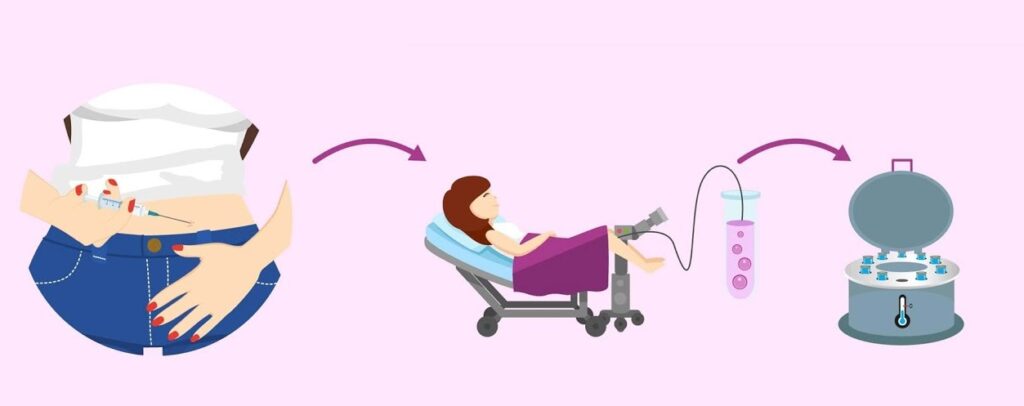
At Dr. Keramati’s clinic, the egg freezing procedure follows these key steps:
Like most fertility treatments, the egg freezing procedure can involve some mild side effects, such as:
These side effects are generally manageable, and most women recover quickly after the procedure. Freezing your eggs early can significantly increase the chance of a healthy pregnancy later in life.
Does egg freezing affect virginity or the hymen?
No. The egg freezing procedure does not involve the vagina or cervix at all. Eggs are retrieved through tiny incisions in the abdomen using laparoscopy, so the hymen remains intact. The procedure is completely safe for virgin girls and women.
Is legal approval required for the egg freezing procedure?
Yes. In Iran, unmarried women (especially virgins) are required to provide a certificate of virginity from the legal medical examiner and obtain written consent from their father to undergo the procedure.
Can someone freeze their eggs without telling their family?
Currently, most fertility clinics in Iran require the father’s approval for unmarried virgin women. However, in special cases — such as women over 35 — personal consent might be enough, depending on the clinic’s policy.
If you’re considering preserving your fertility for the future, the egg freezing procedure may be the right choice for you. At Dr. Pegah Keramati’s fertility clinic, you’ll receive expert care and personalized support every step of the way.
Saturday to Wednesday: morning and afternoon
Thursday: Morning