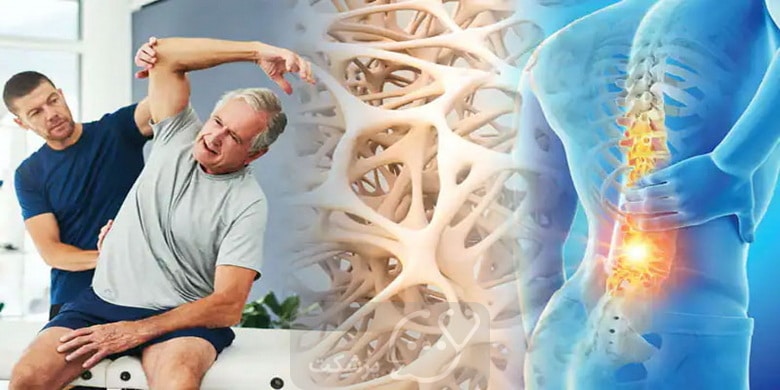
Osteoporosis in Men

Osteoporosis in men should not cause them to become inactive.

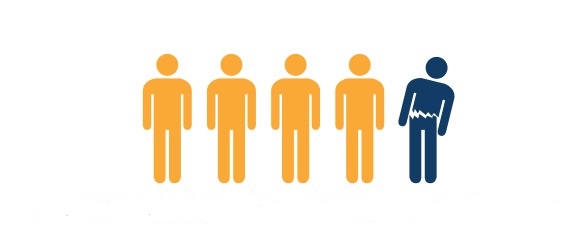
Many times, men may appear physically strong, but a person’s appearance can be misleading, and they may be internally weak without even realizing it themselves. Worldwide, approximately one out of every five men over the age of 50 experiences fractures in different parts of the body due to osteoporosis.
Osteoporosis in Men

It is a silent disease that in most individuals is neither identified nor treated, even after fractures occur.

Osteoporosis in men gradually weakens the bones and causes painful and disabling fractures due to bone fragility. Fractures can occur after a minor fall, as a result of a blow, sneezing, or even bending down to tie shoelaces.

As a result of osteoporosis, any bone may break, but fractures of the spine and hip are among the most common and most serious types of fractures.

Bone tissue

This disease is not only specific to women.

A common misconception is that osteoporosis affects only women; however, millions of men around the world are affected by osteoporosis.

You should know these facts:

  • Bone fractures lead to long-term disability, immobility, and severe pain, resulting in a decreased quality of life and loss of independence as men age.
  • The risk of fractures due to osteoporosis in men is much higher than the risk of developing prostate cancer; however, few elderly men are aware of osteoporosis.
  • About one-third of hip fractures worldwide occur in men, and studies show that 37 percent of men die within the first year after a hip fracture.
    Osteoporosis in men often becomes apparent at older ages, and fractures at an advanced age are associated with serious consequences or death.
  • After fractures, work performance decreases, and spinal fractures in working men aged 50–65 lead to loss of working days.

Here’s the translation of your text without changing its content:


Men in their youth should be careful about risk factors that cause excessive bone loss because, compared to women, they usually build more bone mass at a young age. After around 30 years of age, bone strength in the skeleton begins to decrease, and the formation of new bone is not proportional to the loss of old bone.

Women in their 50s and after menopause experience a rapid decline in bone mass, but this is not true for men. Around the age of 70, both men and women lose bone mass at a similar rate, and calcium absorption (the most important mineral for bone health) decreases.

Excessive calcium loss leads to brittle bone density and likely results in bone fractures.

Here’s the direct translation of your text without any changes:


The risk factors that put women at risk of osteoporosis and bone fractures also apply to men. However, men should pay attention to decreasing testosterone levels and medications related to prostate cancer.

Main risk factors:

Age: Increasing age causes loss of bone density and accelerates in men around 70 years old.

Family history: If there are individuals in your family with a history of fractures or especially osteoporosis in men, you are at higher risk.

Previous fracture history: If you have a history of bone fractures and are over 50 years old, your risk of another fracture doubles.

Long-term use of glucocorticosteroids (more than 3 months): The most common cause of osteoporosis in men and women, known as secondary osteoporosis, is the use of prescription drugs such as prednisone, which are used to treat various diseases including asthma and inflammatory arthritis.

Primary or secondary hypogonadism (testosterone deficiency): This condition occurs in 12.3% of men, often due to testicular dysfunction. Additionally, androgen deprivation therapy (ADT), the most common treatment for metastatic prostate cancer, also reduces testosterone levels.

Specific medications: In addition to glucocorticosteroids, there are other drugs that can increase your risk of osteoporosis, such as immunosuppressants, anticonvulsants, anti-seizure drugs, and proton pump inhibitors, but they are not limited to these.

Some chronic diseases:

Diseases that put patients at risk include the following, although they are not limited to these:

  • Rheumatoid arthritis
  • Inflammatory bowel disease (e.g., Crohn’s disease)
  • Malabsorption disorders (e.g., celiac disease)
  • Hyperparathyroidism
  • Chronic liver or kidney disease
  • Lymphoma and multiple myeloma
  • Hypercalciuria
  • Type 1 and Type 2 diabetes
  • Thyrotoxicosis

Pay attention to these two common risk factors:

  • Testosterone deficiency (primary or secondary hypogonadism)
  • Androgen deprivation therapy (ADT)

Here’s the direct translation of your text without any changes:


Measure your height and compare it with the measurements you recorded previously. If your height has decreased by more than 4 centimeters (a little over 1.5 inches), it may indicate that your body has suffered vertebral compression fractures due to osteoporosis.

Lifestyle-related risk factors:
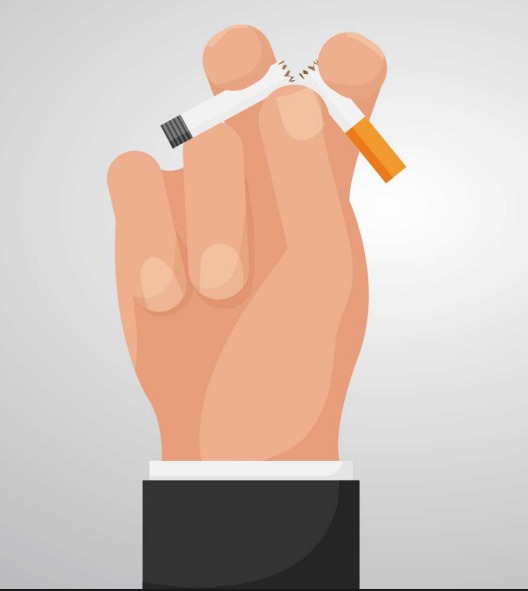
  • Smoking
  • Excessive alcohol consumption (more than 2 units per day)
  • Unhealthy diet (low calcium intake, less than 600 mg per day)
  • Vitamin D deficiency
  • Physical inactivity or excessive activity leading to severe weight loss
  • Low body mass index (BMI < 20)عوامل خطر مرتبط با سبک زندگی

Here’s the direct translation of your text without any changes:


Individuals over 70 years old should talk to their doctor and undergo testing, but if you are under 70 years old (50–69 years), testing should definitely be considered if risk factors are present.

It is important if you fall into the following categories:

  • If you have experienced a fracture from a fall from a height after the age of 50
  • If you are being treated with glucocorticosteroids
  • If testosterone levels are low (hypogonadism)