

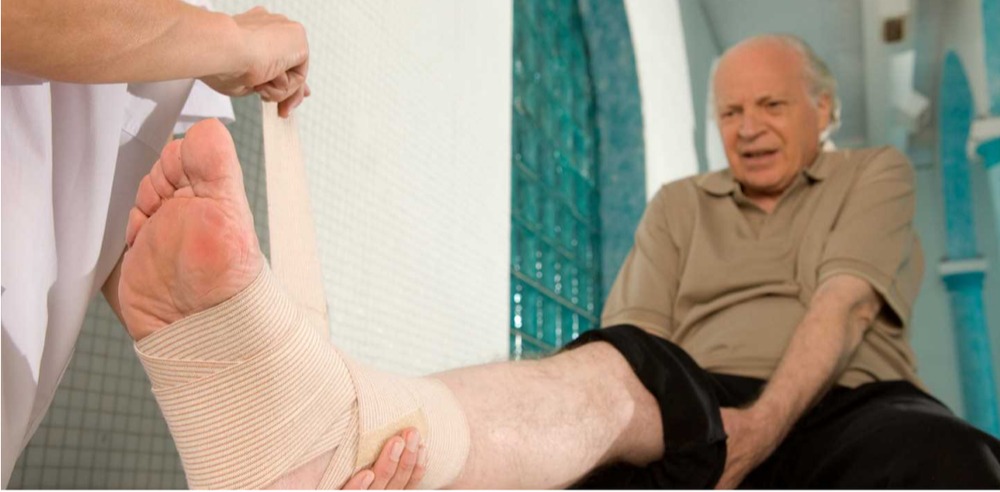
Building strong bones throughout life allows you to continue doing the activities you enjoy for a longer time. It also helps you live independently, free from the pain and suffering caused by bone fractures. There are many actions you can take to prevent and manage osteoporosis and improve bone health in men.
Starting today, take responsibility for bone health both yours and that of others:
– Regular exercise
– Nutrients essential for bone health
– Avoid negative lifestyle habits
– Identify your risk factors
– Take prescribed osteoporosis medication if recommended

Regular, weight-bearing, and muscle-strengthening exercises are beneficial at every age and are essential for maintaining strong bones and muscles.
Weight-bearing exercises
Moderate Weight-Bearing | High Weight-Bearing |
|
|
These should be performed for at least 30 minutes, 3 to 5 days a week.
Muscle-strengthening or resistance exercises are also crucial for bone health in both men and women.
To achieve maximum benefits, the exercise program should be of high intensity and gradually become more challenging over time. Remember to target the core muscles around the hips and spine.
The muscle strengthening or resistance exercises should be performed at least 2 days per week. |
As you age, it’s important to ensure your workouts are tailored to your fitness level. If you have osteoporosis or a spinal fracture, be cautious during activities that could lead to injury. It’s also advisable to have a professional trainer when setting up a regular fitness program.
Don’t let this silent disease eat away at your bones.
Adequate calcium, vitamin D, and protein are essential for the bone and muscle health of both men and women. Dairy products like milk, yogurt, and cheese are rich in calcium and also contain protein and other beneficial minerals for bones. Calcium is also found in some green fruits and vegetables (like kale, broccoli, apricots) and canned fish with bones (sardines). If available, use calcium-fortified foods. While dietary calcium is the best option, some individuals may require calcium supplements if they cannot meet their daily calcium needs through food.
Calcium supplements should be limited to 500-600 mg of calcium per day, and it is generally recommended to take them with vitamin D.
Recommended calcium intake for men:
The recommended daily intake of calcium varies by country, but all health professionals agree on the need to increase calcium intake for older individuals.
Age Group | Recommended Calcium Intake (mg/day) |
10-18 years | 1300 |
19-70 years | 1000 |
Over 70 years | 1200 |
Source: Institute of Medicine of the National Academies of Sciences, USA (2010)
Get your daily dose of calcium:
Make dairy foods your friend:
Vitamin D
Most vitamin D in the body is produced by the skin’s exposure to sunlight.
However, depending on where you live, you may not be able to get enough vitamin D from safe sun exposure alone. Small amounts of vitamin D are found in foods (like egg yolks, salmon, and tuna). In some countries, vitamin D-fortified foods are available.
The Institute of Medicine recommends 600 IU of vitamin D per day for men and women up to age 70. The International Osteoporosis Foundation (IOF) recommendations for the amount of vitamin D needed to prevent falls and fractures in men and women aged 60 and over are 800 to 1000 IU per day.

Talk to your doctor. Be aware of risk factors that could make you a candidate for osteoporosis and fractures. As previously shown, there are various factors that can put you at risk.
Statistics from the UK, United States, and Australia indicate that men visit the doctor 20-25% less often than women. Do not avoid check-ups. Talk to your doctor about bone health and ask if you should have a bone density scan (BMD) or a fracture risk assessment test.
Women have a much healthier relationship with their bodies. They pay attention to their bodies for strengthening, whereas men pay attention to their bodies at the time of correction and repair.
Men treat their bodies a bit like a car: they fix it when it no longer runs, but until then, they work it.
There are many proven treatments that can help improve bone mineral density (BMD) and reduce the risk of fractures. Common treatments for men include:
Other types of treatments include:
Testosterone treatment is effective for osteoporosis and bone health in men with androgen deficiency.
Not all medications are approved in all countries.
Adhere to your treatment
Ensure you follow your prescribed treatment regimen and speak to your doctor if you have concerns about side effects.
Since the benefits of treatment are not always apparent, many patients stop taking their medications. Don’t let this happen to you. By continuing treatment, you can protect your bones and prevent debilitating and potentially life-threatening fractures.

Do you have a history of bone fracture after age 50?
Yes ☐ No ☐
Are you underweight?
Yes ☐ No ☐
Have you experienced a bone fracture after the age of 50?
Yes ☐ No ☐
If you answered yes to two or more of the above questions, your responses indicate that you may have significant risk factors for osteoporosis and fractures. We encourage you to request an assessment and discuss strategies for reducing your risk of osteoporosis-related fractures with your doctor.
Do you have any of the following conditions?
* Rheumatoid arthritis
* Gastrointestinal disorders (Inflammatory Bowel Disease (IBD), Celiac disease)
* Prostate or breast cancer
* Diabetes
* Chronic kidney disease
* Thyroid or parathyroid disorders (hyperthyroidism, hyperparathyroidism)
* Lung disease (Chronic Obstructive Pulmonary Disease (COPD))
* Low testosterone (hypogonadism)
* Early menopause, periods stopped, ovaries removed (low estrogen due to hypogonadism)
* Prolonged immobility (unable to walk without assistance)
* HIV/AIDS
* I don’t know, but I will ask my doctor.
* None of the above
Have you been treated with any of the following medications?
* Glucocorticoids or (steroids) used to treat inflammation (e.g., a prednisone tablet for 3 months or more)
* Aromatase inhibitors used to treat breast cancer
* Androgen deprivation therapy used to treat prostate cancer
* Thiazolidinediones used to treat diabetes (e.g., pioglitazone)
* Immunosuppressants used after transplant surgeries (e.g., calcineurin/calmodulin inhibitors)
* Antidepressant medications used to treat depression, anxiety, etc. (e.g., selective serotonin reuptake inhibitors (SSRIs))
* Anticonvulsant or anti-epileptic medications used to treat seizures (e.g., phenobarbital, carbamazepine, and phenytoin)
* I don’t know, but I will ask my doctor.
* None of the above
Have you experienced a height loss of more than 4 cm (about 1.5 inches) after age 40?
Yes ☐ No ☐ Don’t know ☐
Has either of your parents had a hip fracture?
Yes ☐ No ☐
Do you drink a lot of alcohol (more than 3 units per day) and/or smoke?
Yes ☐ No ☐
If you identify any of the risk factors above, it does not mean you have osteoporosis, but you may have a higher chance of developing the condition. In this case, be sure to discuss bone health in men and women with your doctor, who may recommend a bone health assessment. If you have not identified any risk factors, we encourage you to maintain a healthy lifestyle for your bones and monitor your risks in the future.
Saturday to Wednesday: morning and afternoon
Thursday: Morning