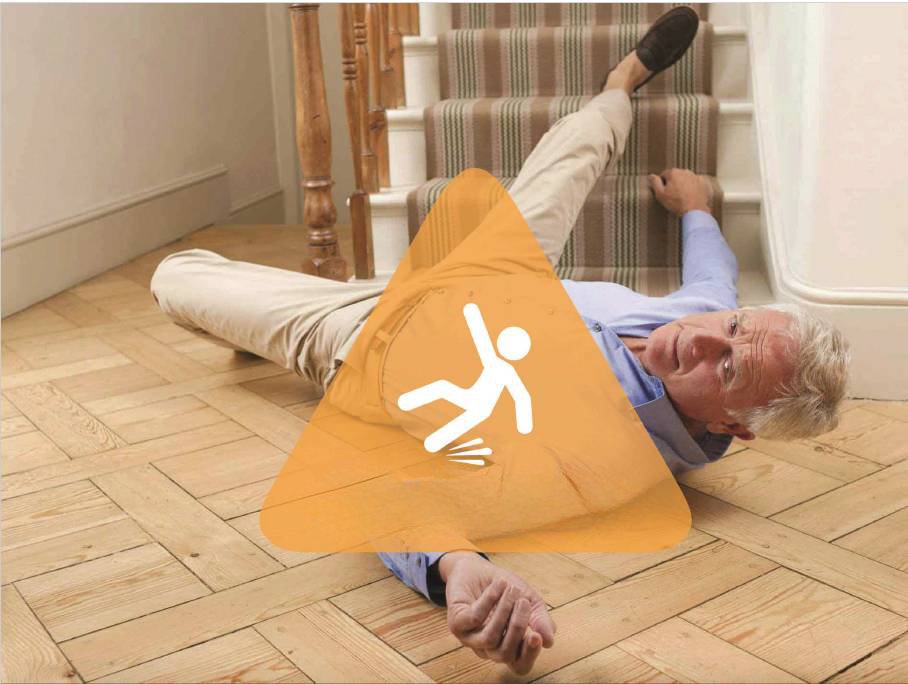
In people with osteoporosis, the bones become weak and fragile, and even a minor fall from a short height can lead to fractures and their consequences.
Read on to learn how you can reduce the risk of falls and bone fractures by making your home safer and by becoming stronger and more stable on your feet.
Accidental falls are common. Every year, 30% of adults aged 65 and older experience a fall, and 10–15% of them suffer an injury. If you have osteoporosis, fall prevention is especially important because your bones are fragile and can break easily with even a slight slip.
Don’t let bone fractures threaten your independence. Take action as soon as possible—starting now—to reduce your risk of falling.
Low blood pressure upon standing (orthostatic hypotension)
Dizziness
Foot problems
Vision impairment
Muscle weakness
Medications.
Specific medications, including those for anxiety, depression, other types of mental illness, high blood pressure, or sedatives, or taking multiple medications.
Over 65: Other factors.
Age
History of falls
Fear of falling
Assistive devices, inappropriate footwear
Unsafe environment
For example, slippery carpets at home.
Don't let the fear of falling stop you in your tracks.
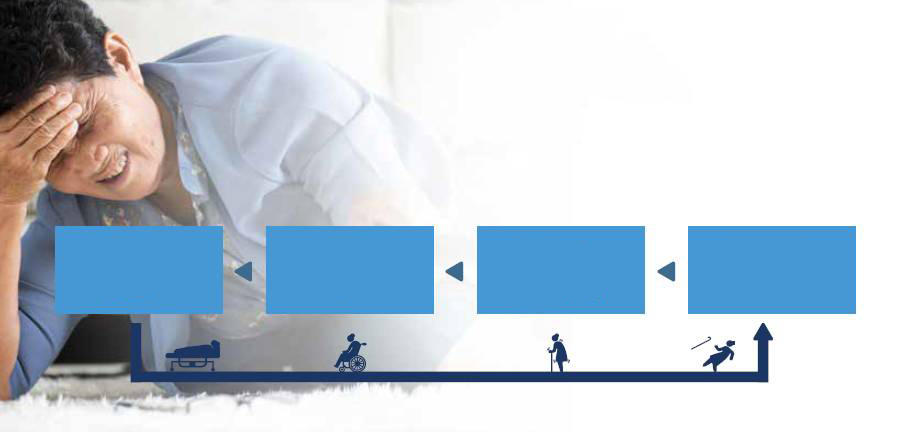
Although it is good to be cautious, excessive fear of falling can lead to inactivity and prolonged sitting, a cycle that ultimately leads to an increased risk of falls and fractures.
Falls -> Fear of falling -> Activity limitation -> Reduced strength/balance.
A targeted exercise program that improves your balance and muscle strength will help reduce falls and ensure you stay active.
Have your eyes examined at least once a year, and replace your glasses if necessary. If you use bifocals, be careful on stairs, and wear sunglasses when needed.
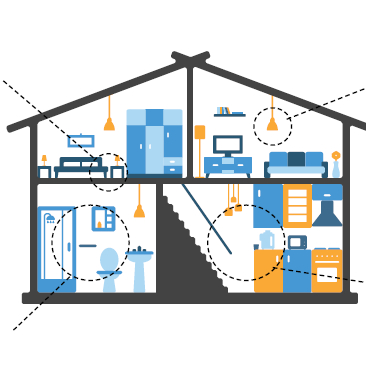
Safeguard your home against falls.
Remove obstacles in your home and use supports like handrails to prevent slipping.
Look for a good exercise program.
Exercise regularly and pay attention to muscle-strengthening exercises and balance training.
Stand firmly on your feet.
Wear comfortable shoes that take good care of your feet, shoes with wide heels and non-slip soles.
Talk to your doctor about fall prevention.
Tell your doctor about all your previous falls, and discuss with them if you feel dizzy. Also, tell them about your prescribed medications, especially if you are using multiple drugs, as these can cause falls.
Have a healthy diet and do not skip meals.
Maintain a nutritious and protein-rich diet, and do not skip meals if you feel dizzy.
Please provide the text you would like me to translate.
Rhythmic movement courses have been shown to prevent age-related physical decline in older adults.
Resistance/muscle strengthening exercises
This includes activities where you move your body against some form of resistance, like lifting weights or using gravity. Examples include exercises using resistance bands, weight machines, or even simple movements like standing on your tiptoes or sitting and standing up.
Balance exercises
Activities like Tai Chi, Yoga, and Pilates are excellent for maintaining balance. Simple exercises like heel-to-toe walking or standing on one foot can also help improve your balance.
Participate in a fitness program!
Depending on where you live, you may be able to participate in exercise programs offered by your local Osteoporosis Association or register for workshops specifically designed for individuals with osteoporosis.
Talk to your doctor and seek their advice.
If you have osteoporosis, have had a bone fracture, or fall frequently (more than once in the past year), be sure to talk to your doctor about fall prevention.
Ask your doctor about taking specific actions that can help prevent you from falling.
Ask your doctor to review your medications to see if they may increase your risk of falling.