

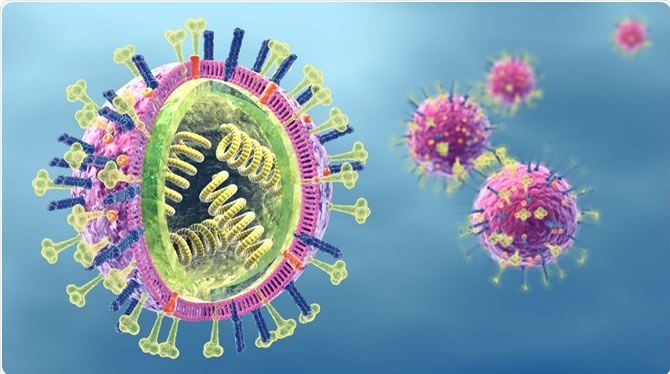
Most cases of human influenza are clinically diagnosed. However, during periods of low influenza virus activity or outside of epidemics situations, the infection of other respiratory viruses (e.g. SARS-CoV-2, rhinovirus, respiratory syncytial virus, parainfluenza virus and adenovirus) can also present as influenza virus-like illness (ILI), which makes the clinical differentiation of influenza virus from other pathogens difficult.
Collection of appropriate respiratory samples and the application of a laboratory diagnostic test is required to establish a definitive diagnosis. Proper collection, storage and transport of respiratory specimens is the essential first step for laboratory detection of influenza virus infections. Laboratory confirmation is commonly performed using direct antigen detection, virus isolation, or detection of influenza-specific RNA by reverse transcriptase-polymerase chain reaction (RT-PCR). Various guidance on the laboratory techniques is published and updated by WHO.
Rapid diagnostic tests are used in clinical settings, but they have lower sensitivity compared to RT-PCR methods and their reliability depends largely on the conditions under which they are used.
Most people will recover from influenza virus on their own. People with severe symptoms or other medical conditions should seek medical care.
People with mild symptoms should:
People at high risk or with severe symptoms should be treated with antiviral medications as soon as possible. They include people who are:
The WHO Global Influenza Surveillance and Response System (GISRS) monitors resistance to antivirals among circulating influenza viruses to provide timely evidence for national policies related to antiviral use.
Vaccination is the best way to prevent influenza virus.
Safe and effective vaccines have been used for more than 60 years. Immunity from vaccination goes away over time so annual vaccination is recommended to protect against influenza virus.
The vaccine may be less effective in older people, but it will make the illness less severe and reduces the chance of complications and death.
Vaccination is especially important for people at high risk of influenza virus complications and their carers.
Annual vaccination is recommended for:
Other ways to prevent influenza virus:
Vaccines are updated routinely with new vaccines developed that contain viruses that match those circulating. Several inactivated influenza vaccines and recombinant influenza vaccines are available in injectable form. Live attenuated influenza vaccines are available as a nasal spray.
WHO, through the Global Influenza Program and GISRS, in collaboration with other partners, continuously monitors influenza viruses and activity globally, recommends seasonal influenza vaccine compositions twice a year for the northern and southern hemisphere influenza seasons, guides countries in tropical and subtropical areas as to which formulation vaccines to use, supports decisions for timing of vaccination campaigns, and supports Member States to develop prevention and control strategies.
WHO works to strengthen national, regional and global influenza virus response capacities including diagnostics, antiviral susceptibility monitoring, disease surveillance and outbreak response, to increase vaccine coverage among high-risk groups, and to support research and development of new therapeutics and other countermeasures.
Saturday to Wednesday: morning and afternoon
Thursday: Morning